

 See My Latest Article on HelloNation
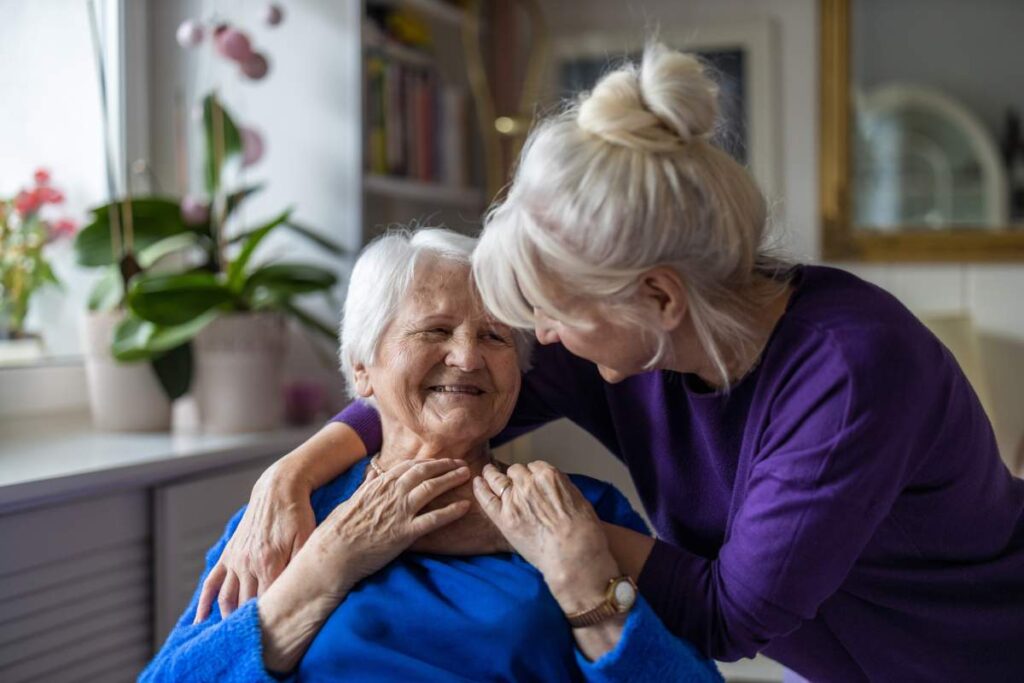
Becoming a family caregiver can bring love, purpose, worry, frustration, and grief—sometimes all in the same day. For residents of Birmingham, AL, caregiving may involve helping an older parent, spouse, relative recovering from illness, or family member living with memory loss while also managing work, household responsibilities, and personal health.
The emotional impact is often underestimated. Caregiving is not only a set of tasks. It can change family roles, affect relationships, limit personal freedom, and create uncertainty about the future. Recognizing these effects early can make them easier to manage.
Why does family caregiving feel emotionally overwhelming?
Family caregiving often feels overwhelming because the caregiver must respond to ongoing needs without knowing exactly how long the situation will last. Even ordinary responsibilities can become stressful when they are added to medication reminders, transportation, personal care, safety concerns, and frequent communication with relatives or medical offices.
Caregivers may also feel responsible for preventing every problem. That expectation is unrealistic, but it is common. A family caregiver cannot control every change in a loved one’s condition, mood, behavior, or recovery.
Emotional strain may show up as:
- Constant worry or difficulty relaxing
- Irritability over small problems
- Guilt when taking time away
- Sadness about changes in a loved one’s abilities
- Anger about unequal help from relatives
- Trouble sleeping or concentrating
- Feeling isolated from friends and normal routines
- Physical exhaustion, headaches, or muscle tension
These reactions do not automatically mean someone is failing as a caregiver. They often indicate that the demands have exceeded the person’s available time, energy, or support.
Is caregiver guilt normal?
Caregiver guilt is common, but guilt is not always evidence that something wrong has occurred. A caregiver may feel guilty for needing a break, becoming impatient, working outside the home, or being unable to provide constant supervision.
Some caregivers also feel guilty because they experience relief when another person takes over. Relief does not mean a lack of love. It usually means the caregiver needed rest or temporary freedom from responsibility.
A more useful question is not, “Am I doing everything?” but, “Is the current plan safe and sustainable?” Safe caregiving includes the caregiver’s ability to sleep, eat, attend necessary appointments, maintain employment when possible, and respond calmly to urgent needs.
Writing down what has been completed each day can help correct the belief that nothing is being done. A brief record may include meals prepared, medications organized, transportation provided, calls made, household tasks completed, and emotional support offered.
How can caregivers cope with grief when a loved one is still living?
Caregivers may experience grief before a death occurs. This is sometimes called anticipatory grief. It can happen when a loved one loses mobility, memory, independence, communication ability, or the personality traits that once shaped the relationship.
The caregiver may miss the way conversations used to happen, the activities once shared, or the freedom both people previously had. Feeling grief while continuing to provide care can be confusing and painful.
It may help to name the specific loss instead of treating the sadness as a general personal weakness. For example:
- “I miss being able to travel together.”
- “I miss having my parent give me advice.”
- “I am grieving the loss of privacy in our home.”
- “I feel sad that familiar routines are no longer possible.”
Naming the loss allows the caregiver to adjust expectations without denying the relationship that remains. New forms of connection may still be possible through music, photographs, familiar foods, short conversations, hand-holding, or quiet companionship.
How can family members divide caregiving more fairly?
Family conflict often develops when responsibilities are unclear. One person may handle most daily tasks while other relatives assume that occasional phone calls or financial contributions are equal forms of help. Unless duties are discussed openly, resentment can build.
A practical family conversation should focus on specific responsibilities rather than general promises. Tasks may include:
- Transportation
- Grocery shopping and meal preparation
- Medication organization
- Laundry and household cleaning
- Managing paperwork
- Staying with the family member during appointments
- Providing overnight coverage
- Checking in by phone or in person
- Paying for approved household or care-related expenses

A shared calendar or written task list can make invisible work easier to see. It is also reasonable to identify tasks that cannot be handled safely by family members alone. Some needs may require medical guidance, mobility equipment, home adjustments, or trained assistance.
Family members may disagree about care decisions, particularly when money, driving, home safety, or memory changes are involved. Keeping discussions focused on documented needs and specific observations can reduce personal accusations.
What helps caregivers protect their own mental health?
Caregivers benefit from small, repeatable forms of recovery rather than waiting for a long period of free time. Ten or fifteen minutes of quiet, movement, prayer, reading, breathing exercises, or a phone conversation can provide a useful pause when practiced regularly.
Basic physical needs also deserve attention:
- Eat at regular intervals instead of relying on leftovers or skipped meals.
- Keep water nearby, especially during hot and humid weather.
- Protect a consistent sleep routine when possible.
- Use safe movement or stretching to reduce stiffness from lifting or prolonged sitting.
- Keep personal medical appointments and prescribed medications on schedule.
- Spend some time outdoors or near natural light when the day permits.
Birmingham’s hot summers and periods of severe weather can add practical stress to caregiving. Older adults may be more vulnerable to heat, dehydration, power interruptions, and unsafe indoor temperatures. A written plan for air conditioning problems, storm warnings, medication storage, and transportation can reduce anxiety before seasonal emergencies occur.
When should a caregiver seek additional support?
Additional support is warranted when caregiving begins to affect safety, health, or the ability to function. Warning signs include persistent hopelessness, panic, severe sleep disruption, frequent anger, thoughts of self-harm, increasing alcohol or medication use, or feeling unable to prevent harm to the person receiving care.
Urgent emotional distress deserves immediate attention through emergency services or a crisis resource. A caregiver should not remain alone with a dangerous situation involving violence, self-harm, medical crisis, or unsafe wandering.
Practical support may also be necessary when a caregiver is routinely lifting beyond their physical ability, missing work repeatedly, unable to leave the home, or managing complex medical tasks without adequate instruction. Safety-related needs are not a personal failure. They are signs that the care plan needs to change.
How can caregivers maintain a sense of identity?
Caregiving can gradually replace every other role: employee, spouse, parent, friend, neighbor, or community member. Maintaining some connection to those roles can protect emotional health.
This does not require returning immediately to a full schedule. A caregiver might preserve one weekly activity, continue a hobby at home, eat with a friend, attend a faith or community gathering, or set aside regular time for a personal goal.
Boundaries are also part of identity. A caregiver may need to say, “I cannot provide overnight supervision every night,” or “I need advance notice before taking on another task.” Clear limits are more useful than agreeing to everything and later reaching a breaking point.
Caregiving is a changing responsibility, not a permanent test of devotion. Emotional health improves when family members recognize both the value of the care being given and the limits of the person providing it.